
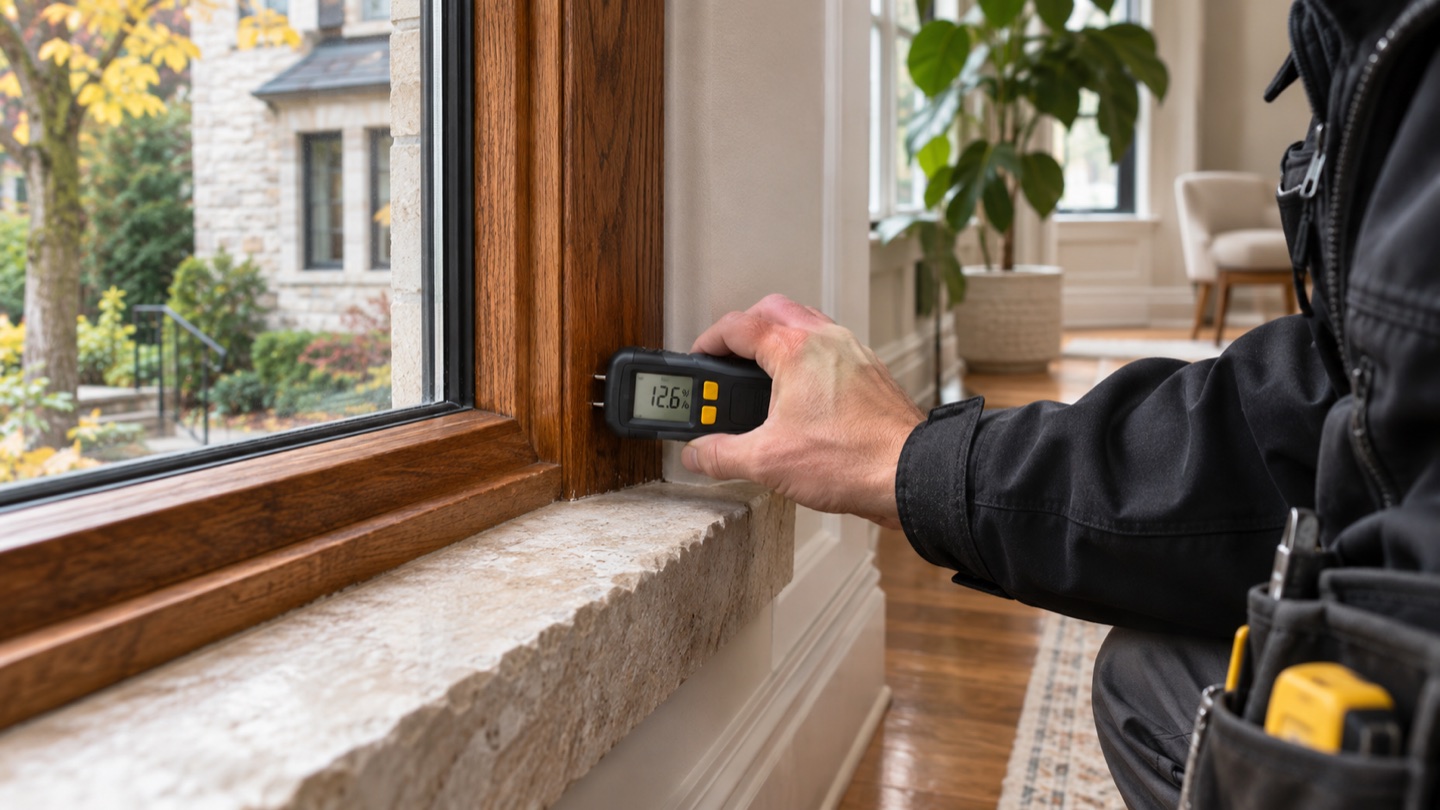
A standard house inspection in the GTA can cost several hundred dollars plus HST. Two local providers list $450 and $600 for smaller houses under their published size bands. Get an address-specific quote and ask what is included.
Information checked November 11, 2026.
Compare like-for-like quotes
For example, Tip Top lists $450 for 1,000 to 2,500 square feet; Clearview lists $600 for a traditional inspection below 2,500 square feet, with possible surcharges. An older, larger or multi-unit house can cost more. Confirm tax, travel, cancellation, whether you can attend and how soon the report is delivered.
Condo unit inspections generally have a narrower scope. Ask which equipment belongs to the unit and which areas the inspector cannot access.
Prioritize water, structure and major equipment
Ask the inspector to explain accessible roof and attic signs, exterior grading, drainage, basement moisture, visible structural concerns, electrical panel, plumbing, heating and cooling. If an issue needs a specialist, ask what to test and which decisions can wait. A typical visual inspection cannot rule out defects behind finished walls.
Give the condition enough time to be useful
If your offer includes an inspection condition, confirm the appointment, report deadline and your time to respond in writing. Take the report back to your agent and, where needed, a lawyer or tradesperson. Check the wording before assuming you can require repairs, change the price or walk away.
Turn an inspection into a usable repair and offer plan
Imagine a buyer inspecting an older house after heavy rain. A damp patch and aging shingles both deserve attention, but they do not necessarily have the same cause or cost. The buyer asks the inspector to explain what was observed, what was not accessible and what needs a specialist. Then the buyer separates urgent safety or water issues from ordinary maintenance and cosmetic work.
Make the decision with the agreement and deadline beside the report. If a specialist cannot attend in time, ask what choices are available under the written condition before assuming a repair can be demanded.
A practical decision checklist
Match the scope to the house
Get an address-specific written quote before booking. Check access to roof, attic, basement, garage and major equipment. Keep the item on a shared list if more than one person is involved. Record who is responsible for getting the answer and what evidence will count as complete.
A visual inspection cannot confirm hidden wall or underground conditions. Ask which findings require another professional or a separate test. When the answer changes, update any cost or deadline that depended on it.
Trace signs of water and drainage
Look for basement moisture, grading and gutter discharge. Ask where the evidence is visible and when the area was inspected. If the numbers do not line up, confirm the reason before relying on the cheaper or easier option.
A dry visit does not rule out intermittent leakage. Get specialist advice when cause or severity is unclear. If you are comparing two options, use the same dates, scope and units for both. Where they differ, show that difference on its own line so you can see how much it matters.
Review heating, electrical and plumbing
Record visible equipment age and apparent operating condition. Ask what testing the inspector completed and what was excluded. A short note is enough if it records what you checked, who can confirm it and when you need the answer. Carry that note into your next conversation rather than relying on memory.
Equipment may operate during inspection but still be near replacement. Ask for a repair or replacement estimate where a major cost is possible. Use the result to choose one practical next step and a fallback if the answer is delayed.
Separate maintenance from immediate concerns
Group observations by safety, water, major systems and routine upkeep. Ask which problems affect normal use or require follow-up soon. Take the unresolved difference to the person who can verify the terms.
A long report may list many small items alongside one significant issue. Budget the largest likely costs before deciding what to request. Test the conclusion against a second piece of evidence when one is available. A single estimate can be useful, but a different date, service or starting figure can explain an apparent discrepancy.
Give the inspection condition time to work
Arrange the inspection and report within your agreement’s timeline. Confirm the deadline, notice requirements and any follow-up window. Keep the estimate and the confirmed answer in separate columns. An estimate helps you set a range; a confirmed answer gives you something you can use to make the next commitment.
An oral understanding may not change a written condition. Review your choices under the offer conditions guide and with your lawyer. Give yourself time to get an updated answer before accepting a deadline or giving up another choice.
For a condo, check the division of responsibility
Ask what an inspection can cover inside the unit. Compare owner responsibilities with corporation documents and maintenance records. If you cannot confirm it in time, check the alternatives while they are still available.
A unit inspection does not substitute for a review of building finances. Read the status certificate checklist with your lawyer. Review this before making the commitment it affects. When someone else has to supply a document or complete a check, ask how long that work normally takes and allow for a delay.
Follow-up questions
Can I use an earlier seller’s inspection?
Check who commissioned it, when it was done, the scope and limitations, and whether you can ask the inspector questions or rely on it. Consider your own inspection or specialist where a material item is uncertain. The agreement’s condition still needs separate review.
What do I do when the report finds a problem?
Find out whether it affects safety, use, insurance or near-term cash. Obtain a qualified estimate where needed. Review the written offer to decide whether to ask about a repair, adjustment, more time or another permitted option.
Bring the inspection report, important photographs, cost estimates and the condition deadline to your decision meeting. Keep observed facts separate from possible causes.
Related GTAHome guides
- How do I buy my first home in the GTA?
- What are the closing costs when buying a home in Ontario?
- What conditions should I include in an Ontario home offer?
- How much are Toronto condo fees, and what do they include?
- What should I look for in an Ontario condo status certificate?
